Evaluating the Vintage Blue Cottagecore Striped Pattern for Design Projects
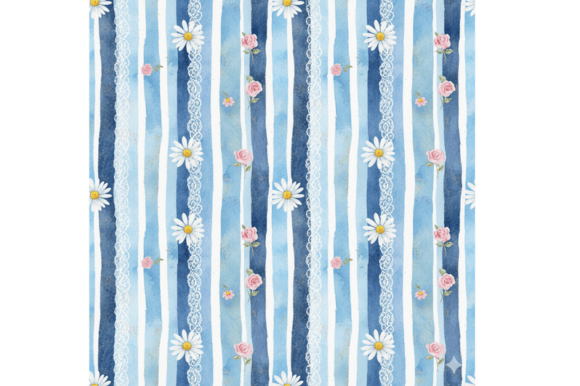
When curating visual assets for projects that require a specific emotional resonance, the choice of pattern often dictates the success of the final product. The Vintage Blue Cottagecore Striped Pattern has emerged as a distinct resource for designers seeking to bridge the gap between rustic utility and romantic elegance. Unlike generic geometric repeats or flat digital vectors, this specific style leverages the organic imperfections of hand-painted watercolor to create depth and texture. It is characterized by a sophisticated interplay of dusty blue, indigo, and sky blue hues, overlaid with delicate botanical elements such as white daisies, pink rosebuds, and intricate lace detailing. Understanding where this asset fits within the broader landscape of digital paper and textile design requires a careful evaluation of its aesthetic properties, technical specifications, and practical applications compared to other available styles.
Defining the Aesthetic: Watercolor Texture vs. Flat Digital Graphics
The primary distinction of the Vintage Blue Cottagecore Striped Watercolor Seamless Pattern lies in its textural authenticity. In the world of digital design, there is often a trade-off between the clean precision of vector graphics and the rich, unpredictable nature of traditional media. This pattern leans heavily into the latter. The "watercolor" aspect implies a softness at the edges of the stripes and a variation in pigment density that mimics real paint on paper. This is crucial for projects aiming for a Shabby Chic or farmhouse aesthetic, where perfection can sometimes feel sterile or out of place.
Compared to standard flat-color striped patterns, which are often created using simple code or solid fills in design software, this watercolor approach introduces a layer of visual noise that feels more tactile. When viewed up close, especially in print, the 300 DPI resolution ensures that the grain of the "paper" and the bleed of the blue pigments remain crisp rather than pixelated. For a designer choosing between a clean, modern stripe and this vintage option, the decision usually comes down to the desired mood. If the goal is corporate minimalism or high-contrast modernism, a flat vector is superior. However, for wedding stationery, boutique packaging, or home decor that aims to evoke nostalgia and warmth, the watercolor texture provides an immediate sense of history and craftsmanship that flat colors cannot replicate.
Technical Considerations: Seamlessness and Resolution
Beyond aesthetics, the utility of any digital paper relies on its technical execution. A common frustration in sourcing patterns is encountering visible seams when tiling an image across a large surface. The Vintage Blue Cottagecore Striped Pattern is engineered to be 100% seamless and tileable. This means the end of one pattern unit aligns perfectly with the beginning of the next, creating an uninterrupted flow whether it is applied to a small gift tag or a full wall of wallpaper. This feature is particularly important for large-scale applications like fabric printing or digital backgrounds where repetition artifacts can ruin the immersion.
Furthermore, the resolution of 300 DPI (dots per inch) places this asset in the category of professional-grade resources. Many free or low-cost patterns found online are rendered at 72 DPI, which is sufficient for screen display but results in blurry, jagged edges when printed. For users evaluating this pattern for physical products—such as bridal invitations, artisanal soap wraps, or throw pillows—the high resolution is a non-negotiable requirement. It ensures that the fine details of the lacework and the subtle gradients in the blue stripes translate clearly to the physical medium. While this high resolution results in larger file sizes, the trade-off is necessary for maintaining quality in high-end print production.
Ideal Use Cases: Where This Pattern Excels
Determining the right fit for a design asset involves matching its characteristics to the project's functional and emotional goals. The Vintage Blue Cottagecore Striped Pattern is particularly well-suited for industries and niches that value tradition, femininity, and artisanal quality.
- Bridal and Wedding Stationery: The combination of soft blues and romantic florals makes this an excellent choice for save-the-date cards, menu cards, and invitation suites. The watercolor style suggests a handcrafted approach, which aligns well with the personalized nature of wedding planning.
- Shabby Chic Home Decor: For interior designers or DIY enthusiasts looking to create custom table linens, decorative pillows, or even accent wallpaper, this pattern offers a cohesive look that blends rustic farmhouse warmth with delicate grace. The blue palette is versatile enough to complement both neutral tones and warmer earth colors.
- Boutique Packaging: Small businesses selling handmade goods, such as candles, soaps, or jewelry, often need packaging that reflects the care put into the product. Using this pattern for gift boxes or wrapping paper elevates the unboxing experience, signaling luxury and attention to detail without being overly ostentatious.
- Digital Journaling and Planning: In the realm of digital creativity, this pattern serves as a soothing background for planners, scrapbooks, and blog headers. The nostalgic feel helps create a calming environment for organization and reflection.
Comparative Analysis: When to Choose Alternatives
While the Vintage Blue Cottagecore Striped Watercolor Seamless Pattern offers significant benefits for specific aesthetics, it is not a universal solution. A balanced evaluation requires acknowledging its limitations and identifying scenarios where alternative styles might be more effective.
For instance, if a project requires high legibility from a distance or needs to accommodate heavy text overlays, the busy nature of the floral and lace details might create visual clutter. In such cases, a simpler, solid color background or a minimalist geometric stripe with lower contrast would be a more pragmatic choice. Similarly, for brands aiming for a bold, contemporary, or industrial look, the soft, washed-out tones of this watercolor pattern may appear too timid or dated. Modern branding often relies on sharp lines and vibrant, saturated colors, whereas this pattern thrives in muted, pastel, and earthy palettes.
Another factor to consider is color flexibility. Because this pattern relies on specific shades of dusty blue, indigo, and sky blue, it may not integrate seamlessly into a color scheme dominated by warm reds, oranges, or cool greens without careful color grading or adjustment. Designers working with strict brand guidelines that do not include these blue tones may find it difficult to incorporate this asset without compromising brand consistency. In contrast, monochromatic or grayscale patterns offer greater flexibility for recoloring to match diverse palettes.
Making an Informed Decision
Selecting the right digital paper is ultimately about alignment with the project's narrative. The Vintage Blue Cottagecore Striped Pattern tells a story of gentle nostalgia, natural beauty, and refined simplicity. It is an ideal selection for creators who want their work to feel touched by human hands, evoking the charm of a countryside cottage or a vintage heirloom. Its strengths lie in its textural richness, high-resolution output, and seamless adaptability for both print and digital mediums.
However, it is essential to weigh these strengths against the specific demands of your project. If your priority is modern sleekness, maximum text readability, or a specific non-blue color palette, exploring alternatives such as flat vector patterns, bold geometrics, or solid textures may yield better results. By understanding the unique position this watercolor stripe occupies within the design ecosystem—bridging the gap between rustic and romantic—designers can make a confident choice that enhances their creative vision rather than conflicting with it. Whether used for a wedding invitation or a digital planner background, its value is realized when the context supports its inherent softness and detailed artistry.