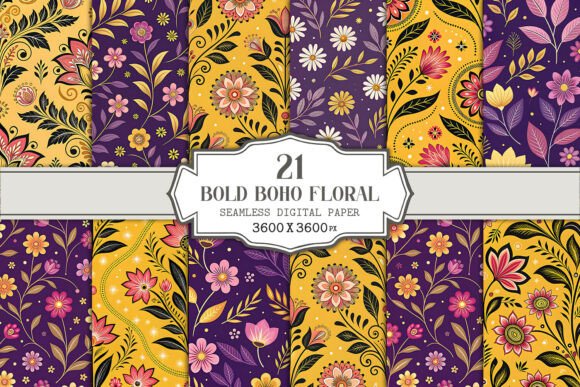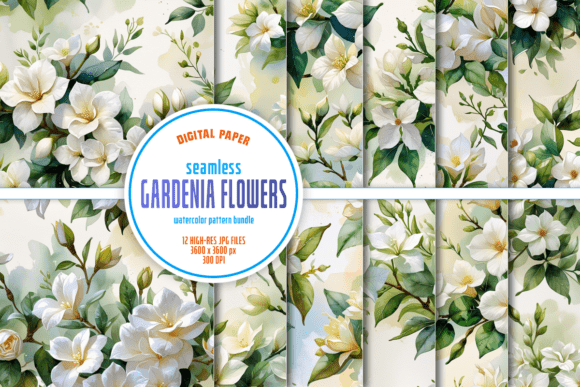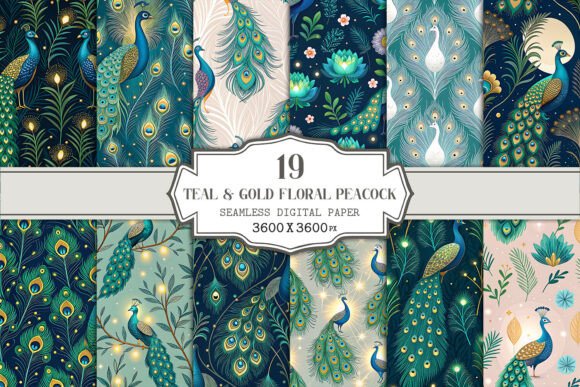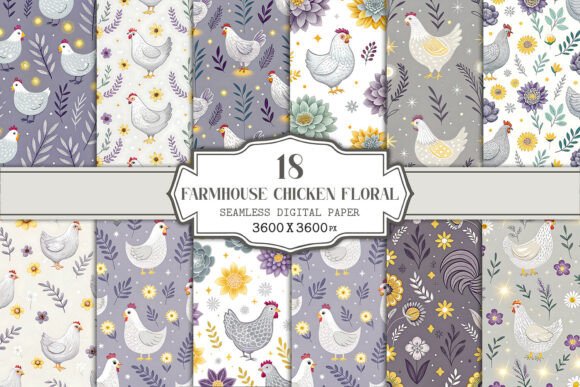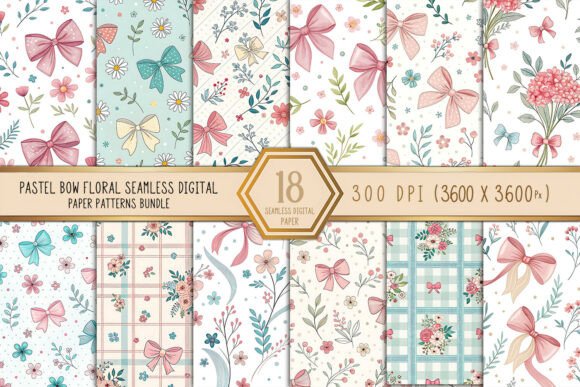
Soft Pastel Watercolor Floral Seamless
Soft pastel watercolor floral seamless patterns bring a gentle, elegant touch to creative projects. These designs blend soft hues with delicate botanical elements, creating a harmonious and airy composition that feels both timeless and modern. Whether you're working on textiles, packaging, digital backgrounds, or personal art, this collection offers a versatile foundation for expression.
What Makes Soft Pastel Watercolor Floral Seamless Unique?
Unlike bold or high-contrast patterns, soft pastel watercolor floral seamless designs focus on subtlety and balance. The use of muted tones—like lavender, mint, and blush—creates a calming visual effect. Each pattern is crafted to flow seamlessly, allowing for endless repetition without visible seams or disruptions. This makes them ideal for backgrounds, borders, and decorative elements that require a cohesive look.
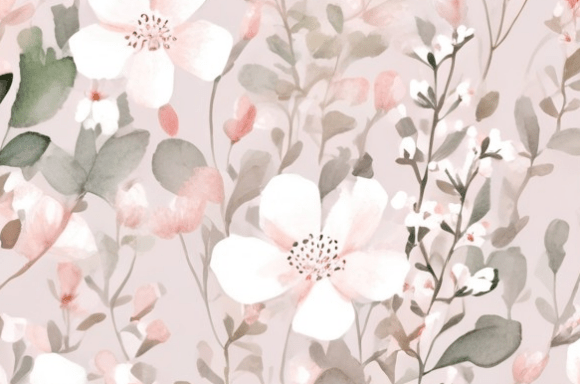
The gentle botanical elements, such as leaves, blossoms, and vines, are rendered in a watercolor style that emphasizes texture and movement. This adds depth and character without overwhelming the viewer. The overall aesthetic is light and refined, making it suitable for a wide range of applications.
Why Different Audiences Care About This Design
Soft pastel watercolor floral seamless patterns appeal to a broad audience because they offer flexibility and adaptability. For some, they represent a source of inspiration; for others, they provide practical solutions to design challenges. Understanding how different users might approach these patterns can help you determine if they align with your goals.
Beginners and Hobbyists
If you're new to design or experimenting with digital tools, soft pastel watercolor floral seamless patterns can be a helpful starting point. Their simplicity allows you to focus on layout, color theory, and composition without being overwhelmed by complex details. You can use them as backgrounds for digital art, scrapbooking, or social media posts, learning how to layer and combine elements effectively.
Professionals and Creators
For designers, illustrators, and artists, these patterns offer a ready-made resource that can save time and enhance creativity. They can be used as base layers for illustrations, incorporated into branding materials, or adapted for print and digital formats. Professionals may also appreciate the ease of customization, allowing them to adjust colors, scale, or spacing to match specific project needs.
Business Owners and Entrepreneurs
Small business owners, especially those in fashion, home decor, or stationery, may find value in using these patterns for product packaging, marketing materials, or website backgrounds. The soft, elegant tone can help convey a sense of sophistication and approachability, which is essential for building brand identity. Additionally, the seamless nature of the designs ensures consistency across multiple platforms and products.
Educators and Students
Teachers and students studying art, design, or graphic arts can benefit from analyzing and using these patterns. They provide a real-world example of how color, texture, and composition work together to create visually appealing designs. Educators might use them to teach about pattern repetition, color harmony, or the use of watercolor techniques in digital environments.
Consumers and Personal Projects
Individuals looking to personalize their space or create handmade items may find these patterns useful for DIY projects. Whether printing on fabric, creating custom cards, or designing a digital photo album, the soft pastel tones add a touch of elegance without being too flashy. Consumers who prioritize aesthetics and comfort in their surroundings may appreciate the soothing quality of these designs.
Key Considerations When Using Soft Pastel Watercolor Floral Seamless
While these patterns are versatile, their effectiveness depends on how well they align with your specific needs. Here are a few factors to consider:
- Ease of Use: Look for patterns that are easy to edit, scale, and integrate into your workflow. High-quality files in common formats like PNG or SVG can make a big difference.
- Cost: Some collections may be free, while others require a purchase or subscription. Consider your budget and whether the investment aligns with your project goals.
- Quality: Ensure the resolution and clarity of the patterns meet your standards, especially if you plan to use them for print or large-scale digital projects.
- Flexibility: Check if the patterns can be modified or adapted to suit different styles or themes. Flexibility can expand the range of projects you can create.
- Commercial Use: If you're planning to sell products or use the patterns in a professional setting, verify the licensing terms to avoid any legal issues.
Practical Applications Across Industries
Soft pastel watercolor floral seamless patterns are not limited to one type of project. Here are a few examples of how different industries might use them:
- Textiles: Fashion designers and textile artists can use these patterns for fabric prints, adding a delicate touch to clothing, accessories, or home furnishings.
- Packaging: Brands looking for an elegant, organic feel may incorporate these designs into product boxes, labels, or tags.
- Digital Backgrounds: Website designers, app developers, and content creators can use these patterns to create visually pleasing interfaces that reflect a calm and refined aesthetic.
- Stationery: Print shops and independent sellers can offer custom notebooks, greeting cards, or calendars featuring these patterns, appealing to customers who appreciate soft, artistic designs.
How to Choose the Right Pattern for Your Needs
Before selecting a set of soft pastel watercolor floral seamless patterns, ask yourself a few questions: What is the purpose of the design? Who is the target audience? What mood or message do you want to convey? Answering these questions can help narrow down your choices and ensure the final result meets your expectations.
For instance, if you're creating a children's book, you might prefer simpler, more playful variations. If you're designing for a luxury brand, a more refined and minimalist approach could be better. Experimenting with different versions of the same pattern can also help you discover what works best for your unique vision.