White Washed Wood Boards Digital Paper: Elevating Modern Design with Timeless Texture
In an era where digital interfaces often feel sterile and overly polished, there is a growing hunger for warmth, authenticity, and tactile depth. Designers, marketers, and content creators are increasingly turning to organic textures to bridge the gap between the screen and the real world. Among the most versatile tools in this shift is White Washed Wood Boards Digital Paper. This isn't just a background; it is a design element that brings timeless rustic charm to your projects while maintaining the clean, elegant aesthetic required by modern branding.
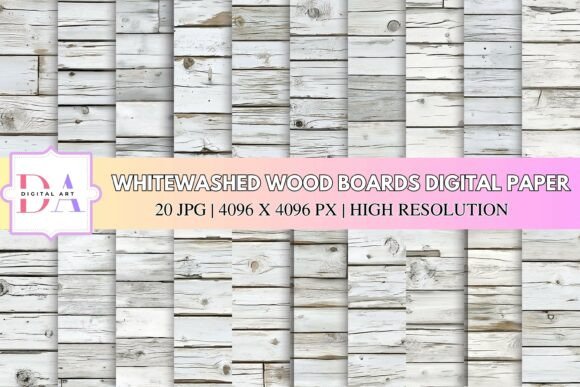
The appeal of whitewashed wood lies in its unique ability to straddle two seemingly opposite worlds: the cozy, lived-in feel of a farmhouse and the crisp, minimalist requirements of contemporary layout design. By utilizing realistic white-painted wooden plank textures complete with natural grain, knots, cracks, and distressed details, creators can inject character into their work without overwhelming the primary message. The soft neutral tones and weathered finish make these backgrounds incredibly adaptable, serving as a foundation for everything from high-end product mockups to heartfelt wedding stationery.
The Evolution of Texture in a Flat Design World
For over a decade, "flat design" dominated the digital landscape. Interfaces were stripped of shadows, gradients, and textures to prioritize clarity and speed. However, user expectations are shifting. As we spend more time interacting with screens, the desire for visual comfort and emotional connection has grown. People are paying more attention to designs that feel human rather than machine-generated. This is where the relevance of White Washed Wood Boards Digital Paper becomes clear.
The evolution of this trend reflects a broader movement toward "warm minimalism." Consumers and clients alike are seeking brands that feel approachable and grounded. A stark white background can sometimes feel clinical, but a whitewashed wood texture offers a subtle narrative of history and craftsmanship. It suggests durability and care. For business owners and entrepreneurs, incorporating these textures into branding materials signals an attention to detail and an appreciation for quality. It is a way to stand out in a crowded feed by offering a visual pause—a moment of calm amidst the noise.
Furthermore, the technology behind these digital assets has evolved. Early texture files were often low-resolution or featured obvious, repetitive seams that broke immersion. Today's collections, such as those featuring 4096 × 4096 px high-resolution JPGs, offer seamless repeating textures that look authentic even on large displays or in print. This technical advancement allows professionals to use these backgrounds confidently across various media, knowing the quality will hold up under scrutiny.
Practical Applications for Creators and Professionals
The versatility of whitewashed wood textures makes them a staple in the toolkit of freelancers, educators, and hobbyists. Because the palette is neutral, it pairs beautifully with florals, bold typography, seasonal elements, and minimalist layouts. Here is how different sectors are leveraging this resource:
- Rustic Wedding Stationery: Couples planning weddings often seek a balance between elegance and informality. Whitewashed wood backgrounds provide the perfect canvas for invitation suites, save-the-dates, and menu cards. The distressed details add a romantic, vintage touch that feels personal and curated.
- Product Mockups and Packaging: For small business owners selling handmade goods, presentation is everything. Using these digital papers as a backdrop for product photography or packaging design creates a cohesive brand story. Whether showcasing artisanal soaps, baked goods, or jewelry, the wood texture implies a natural, organic origin.
- Social Media Graphics: In the fast-paced world of Instagram and Pinterest, stopping the scroll is crucial. Posts featuring textured backgrounds often garner higher engagement because they feel less like advertisements and more like lifestyle content. They are ideal for quote graphics, announcement posts, and story highlights.
- Digital Planning and Scrapbooking: The rise of digital planning on tablets has created a massive market for high-quality digital papers. Users can layer stickers, journal entries, and photos over these wood textures to create pages that mimic the feel of a physical scrapbook but with the convenience of digital editing.
- Printable Art and Wall Decor: Interior design trends favor natural materials. Artists creating printable wall art can use these textures to give digital illustrations a tangible feel, making the final print look like it belongs in a cozy living room or a chic café.
Why Neutral Tones Matter in Branding
One of the strongest arguments for using White Washed Wood Boards Digital Paper is the psychological impact of the color palette. White and off-white tones are associated with cleanliness, simplicity, and sophistication. When combined with the organic irregularities of wood grain and knots, the result is a surface that feels clean yet inviting.
For marketers, this is a strategic advantage. A busy or colorful background can compete with the text or product image, reducing readability and focus. The subtle imperfections of aged painted wood add depth and character while maintaining a clean appearance that ensures the main design elements remain the focal point. This balance allows the viewer to absorb the information or appreciate the product without visual fatigue. It supports the content rather than fighting it.
Integrating High-Resolution Textures into Your Workflow
Incorporating these assets into a modern workflow is seamless, thanks to instant digital downloads and standardized file formats. A typical collection includes around 20 JPG digital papers, each offering a variation of the theme—from lightly worn boards to more heavily distressed surfaces. This variety is essential for maintaining visual interest across a multi-page document or a series of social media posts.
When selecting a texture for a specific project, consider the level of distress required. For corporate branding or professional presentations, a lightly worn board with subtle grain might be appropriate to maintain a polished look. Conversely, for a holiday campaign, a blog post about DIY crafts, or a vintage-themed event, a texture with more pronounced cracks and weathering can evoke a stronger emotional response.
It is also important to consider the medium. While these files are optimized for digital use, their high resolution (often 300 DPI equivalent at large sizes) makes them suitable for professional printing. Whether you are designing a large format banner for a trade show or a small business card, the clarity of the wood grain ensures the output looks premium. The seamless nature of the patterns means you can tile them to cover any size canvas without visible breaks, a critical feature for web backgrounds and large-scale prints.
Future-Proofing Your Creative Assets
Trends in design may cycle, but the desire for authenticity is enduring. As artificial intelligence generates more flawless, synthetic imagery, the value of imperfect, human-centric textures is likely to increase. White Washed Wood Boards Digital Paper represents an investment in a style that transcends fleeting fads. It connects to a long-standing appreciation for natural materials and craftsmanship.
For educators and content creators, these backgrounds offer a way to make educational materials feel less rigid. A worksheet or a presentation slide with a wood texture background can feel more welcoming to students, reducing the intimidation factor of dense information. Similarly, bloggers can use these textures to create a consistent visual identity that readers instantly recognize and associate with warmth and reliability.
Ultimately, the choice to use textured backgrounds is a choice to prioritize the user experience. It acknowledges that people respond to visual cues that remind them of the physical world. By bringing timeless rustic charm to your designs with this beautiful collection, you are not just decorating a page; you are setting a tone. You are telling your audience that your brand values quality, history, and a human touch. In a digital ecosystem that can often feel cold and transient, that message is more powerful than ever.
Whether you are designing invitations, planner covers, wall art, digital backdrops, or craft projects, this wood texture collection provides a professional, high-end background that enhances any composition. It is a practical solution for the modern creator who needs flexibility without sacrificing style. As you build your next project, consider how the subtle interplay of light, shadow, and grain in a whitewashed wood texture can transform a standard layout into something memorable and deeply engaging.